Lab Grown Diamonds Fundamentals Explained
Table of ContentsAll about Lab Grown DiamondsLab Grown Diamonds Can Be Fun For AnyoneNot known Facts About Lab Grown DiamondsOur Lab Grown Diamonds Ideas
As you take a trip closer to the Earth's core, stress and temperature boost, which creates the best oven for carbon to be exchanged diamond (rubies are the only gemstone to be made from totally one element). With a huge volcanic eruption, these rubies were delivered to the Earth's surface. It's approximated this procedure was relatively fast (most likely over the training course of several hours), which enabled the rubies to stay undamaged without melting.The brief answer: carat weights measure the mass of rocks, karats gauge the purity of gold. Carat: 1 carat is equal to 0.2 grams, concerning the weight of a paperclip (following time you see a photo of Mariah Carey's 35 carat weight involvement ring, just visualize the problem of carrying 35 paper clips around your finger on a daily basis).
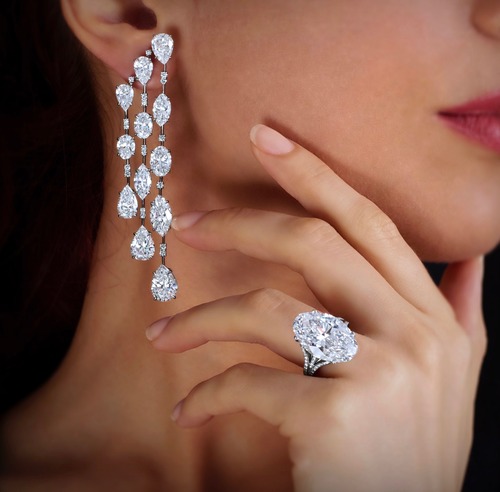
Here are several of the essential benefits of lab expanded rubies and lab produced diamond jewelry:.
More About Lab Grown Diamonds
Simply put, all-natural or earth-mined rubies are crafted over countless years underneath the Planet's crust from pure carbon combined with pressure and warm. Developing diamonds in a laboratory requires the exact same procedure, simply fine-tuned to occur over a much smaller sized time frame in a much a lot more regulated setup.
Whereas earth-mined rubies are rare and finite and have a tendency to boost in cost over time, lab diamonds are easily available., like lab-grown ruby rings, they will not be a great fit for your requirements.
They could assume that the disadvantages of lab-grown rubies outweigh the pros. Some might say that, for this reason, purchasing a lab-made diamond also comes with its moral factors to consider, as doing so takes earnings away from those involved in the natural ruby market who might need it most.
Conventional diamonds rely on the Planet's conditions to establish their top quality or absence thereof. But in a laboratory, makers can directly regulate a ruby's high quality. Yes, there are honest and environmental factors to consider with both mined and man-made diamonds. Expect your budget just enables you to buy particular shades or cuts of natural diamonds.
9 Easy Facts About Lab Grown Diamonds Shown
You can conveniently locate tinted, synthetic rubies on the (reasonably) cheap side as well as particular cuts that would be more expensive if you were shopping for a mined diamond only. That hardly implies it isn't worth protecting.
natural rubies is that the last is extracted from all-natural deposits in the Earth while the previous is made in a lab utilizing controlled settings. But their top quality is largely the same. Lab Grown Diamonds. While the difference between lab-grown and all-natural diamond alternatives are very little when it concerns quality, several of the downsides of lab-grown rubies include the More Bonuses truth that the stone will decrease gradually and, to some, a lack of nostalgic worth that's usually related to mined rubies
The procedure includes minimal land disturbance and gets rid of concerns connected to deforestation and environment destruction. Lab-grown rubies are frequently more economical than natural rubies. This cost distinction can be credited to the structured production procedure and the avoidance of expenditures related to traditional mining. The Controlled Atmosphere in Which Laboratory Grown Diamonds Are Produced Permits Constant Top Quality.
Adaptability in Layout - Laboratory Grown Diamonds Deal Designers and Consumers a Versatile Palette to Produce Special and Innovative Fashion Jewelry Layouts - Lab Grown Diamonds. Laboratory Diamonds Often Come with An Even More Transparent Supply Chain.
Indicators on Lab Grown Diamonds You Should Know
Market Perception - Despite Their The Same Physical Properties, Laboratory Diamonds Might Face Tests in Market Assumption. Some Consumers Still Perceive Natural Diamonds as Having Higher Worth and Prestige. The Production of Lab-Grown Diamonds Can Be Energy-Intensive, Specifically in Approaches Like High Pressure Heat (hpht) and Chemical Vapor Deposition (cvd).
Natural Diamonds Are Created Over Millions of Years Deep Within the Planet, Adding To Their Perceived Rarity. Lab-Grown Rubies, In Spite Of Their Identical Feature, May Not Lug the Same Rarity Variable, Impacting Their Regarded Value for Some Customers. Effect On Diamond-Dependent Economic Climates - the Change Towards More Bonuses Lab Grown Diamonds May Have Economic Effects for Countries and Areas that Depend Upon The Ruby Mining Industry.
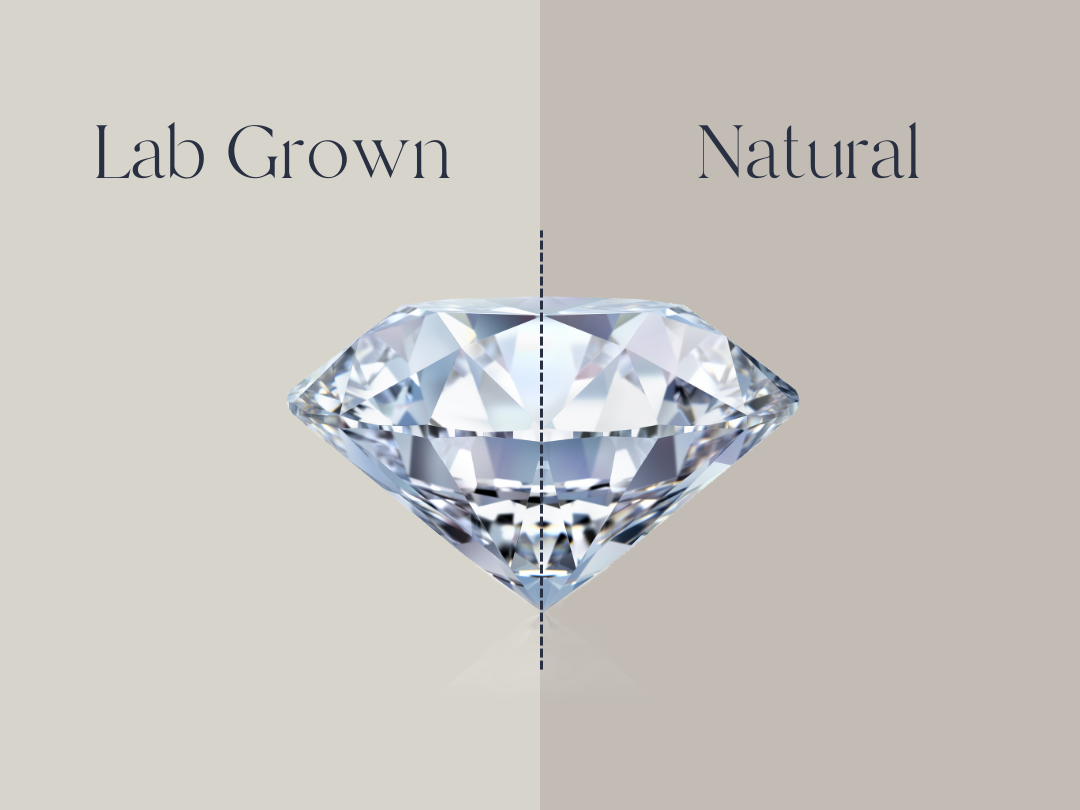
Lab Rubies Are of Equal High Quality to Natural Diamonds in Terms of Hardness, Luster, and Quality - Lab Grown Diamonds. Yes, Laboratory Diamonds Sparkle Simply Like Natural Diamonds. Their Brilliance and Shimmer Are an Outcome of Their Cut and The Method Light Interacts with Their Aspects.
Comments on “Lab Grown Diamonds Fundamentals Explained”